Source Modern Leather Lounge Chair for Office and Hotel
Find a modern leather lounge chair for your commercial or residential space. Compare 30 options featuring synthetic or genuine materials, adjustable heights, and contemporary designs suitable for office buildings, hotels, and home offices.
Key considerations
Products List
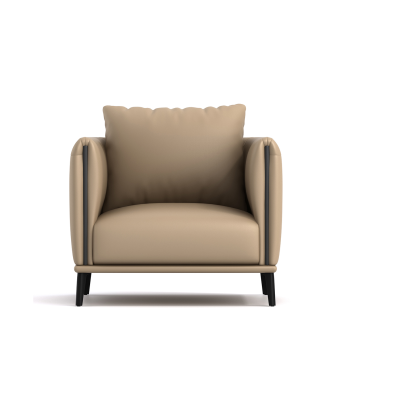
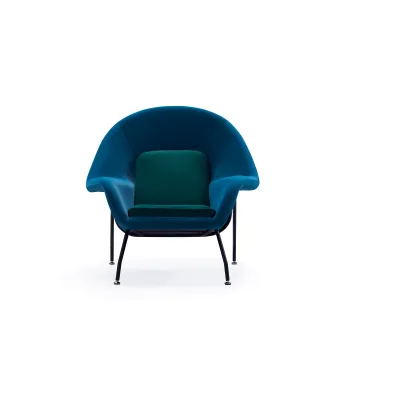
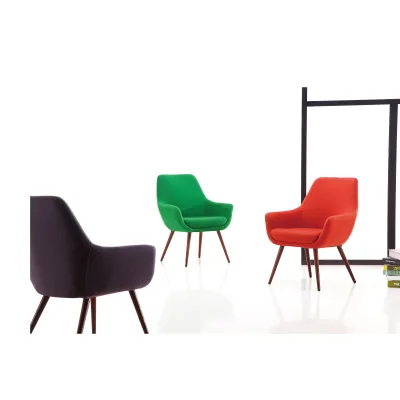
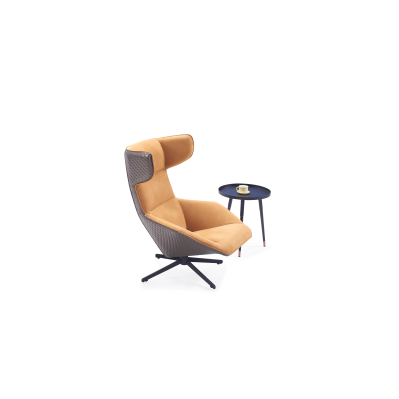


Comprehensive Sourcing Guide
Modern Leather Lounge Chair Sourcing Guide
Sourcing modern leather lounge chairs requires a careful balance between aesthetic appeal, ergonomic functionality, and commercial durability. These pieces are frequently deployed in high-traffic environments such as office lobbies, hotel reception areas, and executive home offices, where they must withstand frequent use while maintaining a sophisticated visual presence. The term "modern" in this context typically refers to contemporary design styles that emphasize clean lines, minimalist silhouettes, and functional versatility. Buyers must distinguish between genuine leather options, which offer premium durability and aging characteristics, and synthetic leather alternatives, which provide cost-effective solutions with consistent color and texture. Understanding these material distinctions is critical for aligning product selection with the specific budget and longevity requirements of the procurement project.
The procurement landscape for these items is characterized by a wide variance in specifications, pricing, and minimum order quantities (MOQs). Market data indicates that listings for modern leather lounge chairs can range significantly in price, reflecting differences in material quality, brand positioning, and manufacturing complexity. Furthermore, MOQs can vary from single-piece orders suitable for small office renovations to bulk quantities required for large-scale commercial fit-outs. Buyers should approach this category with a clear understanding of their volume needs and customization requirements, as these factors will heavily influence supplier selection and negotiation leverage. The goal is to secure a product that not only meets the immediate design intent but also supports long-term operational efficiency and tenant satisfaction.
Product Scope and Observed Listing Signals
Current market listings reveal a diverse array of lounge chair configurations, ranging from fixed-structure models to adjustable, revolving units designed for ergonomic flexibility. Observations indicate that products are often categorized under broader headings such as "Office Furniture" or "Commercial Furniture," with specific uses including home offices, living rooms, and office buildings. The design styles observed are predominantly contemporary and modern, featuring shapes that range from oval to more traditional rectangular forms. Buyers should note that some listings specify the product as a "set," while others are sold as single items, which impacts the unit cost calculation and the overall aesthetic cohesion of the seating arrangement. It is essential to verify whether the chair is sold as a standalone piece or part of a coordinated suite to ensure compatibility with existing interior design schemes.
Material composition is a primary differentiator in this category, with listings highlighting both synthetic leather and genuine leather options. Synthetic leather variants are often marketed for their durability and ease of maintenance, making them suitable for high-traffic commercial environments where frequent cleaning is necessary. In contrast, genuine leather options are typically associated with higher-end applications, such as hotel bedrooms or executive suites, where tactile quality and prestige are paramount. Additionally, some listings feature fabric upholstery, offering a different texture and visual appeal that may be preferred for more casual or residential-style office spaces. Buyers must carefully review the material specifications to ensure they align with the intended use case, considering factors such as wear resistance, breathability, and maintenance requirements.
Technical Specifications to Verify
Dimensional accuracy is a critical technical specification that must be verified before finalizing any purchase order. Standard dimensions observed in the market include widths around 860mm, depths around 800mm, and heights around 800mm for certain lounge sofa models, while individual lounge chairs may vary, with some models measuring approximately 920mm in depth, 950mm in width, and 920mm in height. Other variations exist, such as chairs with dimensions of 660mm by 660mm by 850mm, or taller models reaching 1120mm in height. Buyers must ensure that these dimensions fit within the allocated floor space and comply with accessibility standards, particularly if the chairs are intended for public or shared office areas. It is advisable to request detailed technical drawings or 3D models from the supplier to visualize the chair's footprint and clearance requirements accurately.
The structural integrity and assembly requirements of the lounge chair are also key technical considerations. Many modern lounge chairs are supplied as fully assembled units, which simplifies installation and reduces on-site labor costs. However, some models may require minimal assembly, particularly those with detachable legs or modular components. The type of legs, often made of metal, contributes to the chair's stability and aesthetic appeal, while the frame construction determines its load-bearing capacity. Buyers should verify the single gross weight of the product, which can impact shipping costs and handling requirements. For instance, a unit weighing approximately 16.4 kg requires specific logistics planning to ensure safe transport and delivery. Confirming these details helps avoid unexpected costs or delays during the installation phase.
Compliance and Safety Documentation
While specific certification statuses are not universally disclosed in all listings, buyers must ensure that the lounge chairs comply with relevant safety and quality standards for the target market. In commercial settings, furniture must often meet fire resistance, structural stability, and chemical emission standards to protect occupants and meet regulatory requirements. Buyers should request documentation such as test reports or certificates of conformity from the supplier, particularly for products intended for use in hotels, offices, or public spaces. It is crucial to verify that the materials used, including the leather, fabric, and adhesives, are free from harmful substances and meet environmental regulations. This due diligence helps mitigate legal risks and ensures that the furniture contributes to a healthy indoor environment.
Warranty and after-sales service provisions are integral components of the compliance and risk management strategy. A standard warranty period of three years is observed in some listings, indicating a manufacturer's confidence in the product's durability and performance. Buyers should carefully review the terms of the warranty, including what components are covered, the duration of coverage, and the process for claiming repairs or replacements. Additionally, the availability of after-sales service is a critical factor, as it ensures that any issues arising post-purchase can be addressed promptly. Suppliers that offer comprehensive support packages can reduce the total cost of ownership by minimizing downtime and maintenance expenses. Buyers should prioritize suppliers with established service networks and clear communication channels for handling warranty claims.
Cost Drivers and Commercial Terms
The cost of modern leather lounge chairs is influenced by several key drivers, including material quality, design complexity, and order volume. Genuine leather chairs typically command a higher price point due to the cost of raw materials and the labor-intensive tanning and finishing processes involved. Synthetic leather options, while more affordable, may have different lifecycle costs due to variations in durability and maintenance requirements. Buyers should conduct a total cost of ownership analysis, considering not only the initial purchase price but also long-term expenses related to cleaning, repairs, and eventual replacement. Understanding these cost drivers allows for more accurate budgeting and helps in selecting the most cost-effective solution for the specific application.
Commercial terms, including payment methods and delivery timelines, play a significant role in the procurement process. Payment terms may vary, with options such as Telegraphic Transfer (T/T) and PayPal being common in the market. Buyers should negotiate favorable payment terms that align with their cash flow management strategies, such as partial payments upfront and the balance upon delivery. Delivery times are another critical factor, with lead times ranging from 30 to 45 days for customized orders. Buyers must plan their procurement schedule accordingly to ensure that the furniture arrives in time for the intended installation date. It is also important to clarify who is responsible for shipping and insurance costs, as these can significantly impact the final landed cost of the product.
Supplier Qualification and Quality Control
Supplier qualification is a foundational step in ensuring the reliability and consistency of the lounge chair supply chain. Buyers should assess suppliers based on their manufacturing capabilities, quality control processes, and track record in the industry. Suppliers located in established manufacturing hubs, such as Guangdong, China, often have access to a robust supply chain and skilled labor force, which can contribute to higher product quality and competitive pricing. However, buyers must verify the supplier's ability to meet specific quality standards and deliver products that match the agreed-upon specifications. This may involve conducting factory audits, reviewing past performance data, and requesting samples for evaluation. Establishing a strong relationship with a qualified supplier can lead to better pricing, improved service, and greater flexibility in handling future orders.
Quality control measures should be implemented throughout the production and delivery process to minimize the risk of defects and non-conformities. Buyers should define clear quality acceptance criteria, including visual inspections, dimensional checks, and functional tests, and communicate these requirements to the supplier. It is advisable to arrange for third-party inspection services to verify the quality of the goods before shipment, particularly for large orders. This proactive approach helps identify and rectify any issues early in the process, reducing the likelihood of costly returns or replacements. Additionally, buyers should establish a clear protocol for handling defective items, including procedures for reporting, documentation, and resolution. Effective quality control not only ensures product satisfaction but also enhances the overall efficiency of the procurement process.
Long-Term Procurement Checks
Long-term procurement success depends on continuous monitoring of supplier performance and product quality. Buyers should establish key performance indicators (KPIs) to track metrics such as on-time delivery, defect rates, and responsiveness to issues. Regular reviews of these metrics help identify trends and areas for improvement, allowing for proactive management of the supply chain. It is also important to maintain open communication with the supplier, providing feedback on product performance and addressing any concerns promptly. This collaborative approach fosters a partnership that can lead to continuous improvement and innovation in product design and manufacturing processes. By staying engaged with the supplier, buyers can ensure that the lounge chairs continue to meet their evolving needs and expectations.
Sustainability and lifecycle management are increasingly important considerations in long-term procurement strategies. Buyers should evaluate the environmental impact of the lounge chairs, including the sourcing of materials, manufacturing processes, and end-of-life disposal options. Suppliers that demonstrate a commitment to sustainability, such as using eco-friendly materials or implementing recycling programs, can help buyers meet their corporate social responsibility goals. Additionally, buyers should plan for the eventual replacement or refurbishment of the furniture, considering options such as modular designs that allow for easy repair and component replacement. By integrating sustainability and lifecycle management into their procurement strategy, buyers can reduce waste, lower costs, and contribute to a more sustainable future.
FAQs
What materials are used for the lounge chair?
The lounge chair is available in synthetic leather, fabric, and genuine leather options. These materials cater to different aesthetic preferences and durability requirements for office or home office settings. Buyers can select the specific material type based on their desired finish and maintenance needs for the commercial furniture application.
Can the lounge chair be customized?
Yes, customization is available for this modern design lounge chair. Buyers can request specific modifications to suit their unique office or hotel requirements. The product supports custom orders, allowing for tailored solutions that align with specific interior design schemes or functional needs in contemporary commercial spaces.
What is the delivery time for this chair?
The standard delivery time is 30 to 45 days. This lead time applies to the manufacturing and preparation of the lounge chair for shipment. Buyers should account for this duration when planning office furniture installations or commercial procurement schedules to ensure timely arrival and setup of the new seating.
What is the warranty period for the chair?
The lounge chair comes with a 3-year warranty. This coverage provides assurance regarding the product's condition and durability upon delivery. Buyers benefit from this warranty period which supports the long-term reliability of the modern design furniture in high-traffic office or commercial environments.
How is the chair packaged for shipping?
The chair is packaged in a carton with a wood frame. This packaging method ensures protection during transit and handling. The sturdy packaging helps maintain the product's condition, particularly for items like the lounge chair which may have specific structural requirements to prevent damage during international shipping logistics.
What is the minimum order quantity?
The minimum order quantity is 1 piece. This low MOQ allows buyers to purchase single units or small batches for testing or specific office needs. It facilitates flexible sourcing for modern leather lounge chairs without requiring large initial commitments, making it suitable for various commercial furniture procurement strategies.